
Diabetes Prevention: Your Complete Guide to Reducing Risk and Protecting Your Health
Discover evidence-based diabetes prevention strategies, the importance of HbA1c testing, and practical lifestyle tips to protect your long-term health.
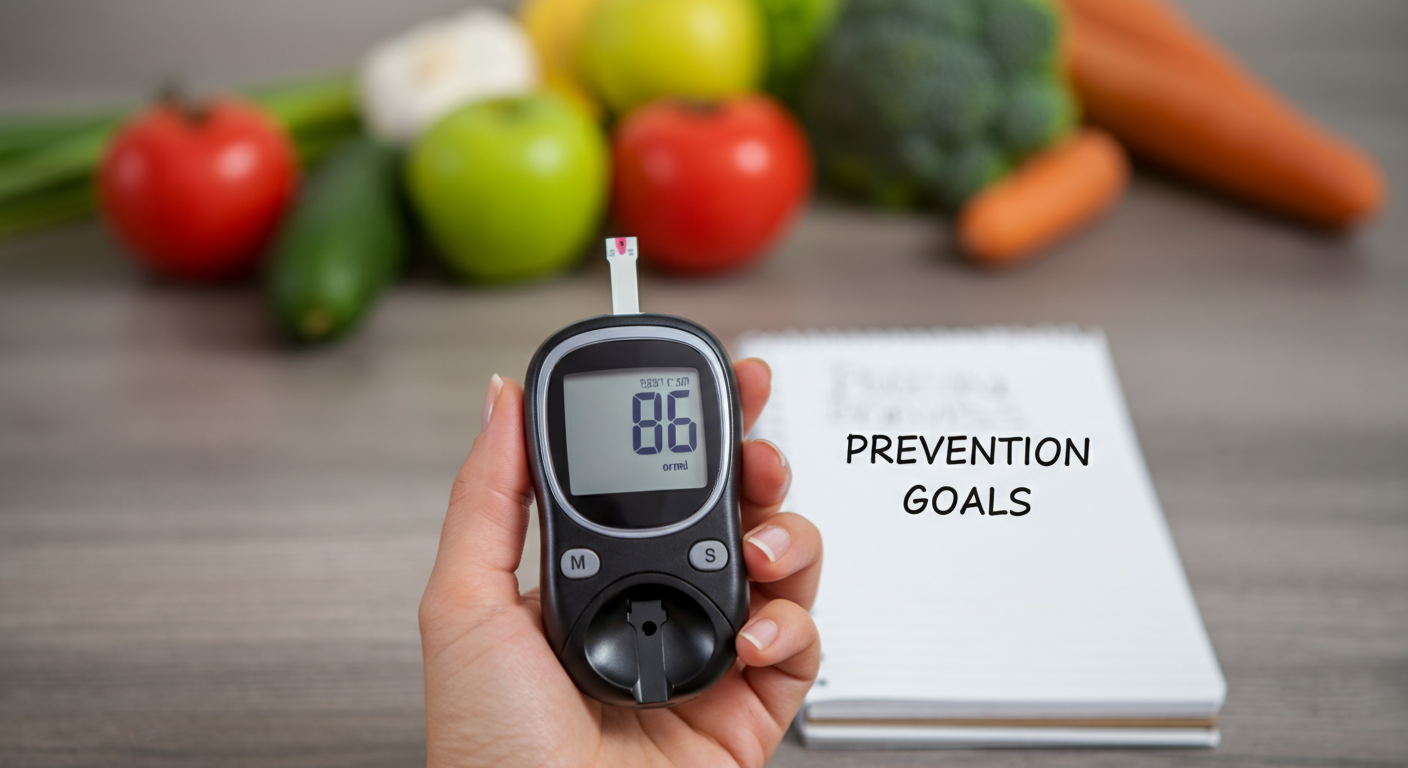
Diabetes is one of the fastest-growing health crises of our time. According to the International Diabetes Federation, approximately 537 million adults worldwide are currently living with diabetes — a number projected to rise to 783 million by 2045. In the UK alone, over 4.9 million people have been diagnosed, with an estimated 850,000 more living with type 2 diabetes unaware of their condition.
The sobering truth? Up to 90% of type 2 diabetes cases are preventable. With the right knowledge, lifestyle changes, and proactive health monitoring, you have genuine power to significantly reduce your risk. This guide walks you through everything you need to know about diabetes prevention — from understanding your risk factors to the practical daily habits that can make a life-changing difference.
Understanding Diabetes: What You're Actually Preventing
Before diving into prevention strategies, it's worth understanding exactly what we're talking about. Diabetes is a chronic metabolic condition characterised by elevated blood glucose levels. There are two primary types:
- Type 1 diabetes is an autoimmune condition where the body cannot produce insulin. It is not currently preventable and typically develops in childhood or early adulthood.
- Type 2 diabetes develops when the body becomes resistant to insulin or doesn't produce enough. This is the form that lifestyle and early intervention can profoundly influence.
- Prediabetes is a critical warning stage where blood sugar levels are higher than normal but not yet high enough for a type 2 diagnosis. Without intervention, up to 70% of people with prediabetes will eventually develop type 2 diabetes.
The danger of diabetes lies not just in the condition itself, but in its complications — including heart disease, kidney failure, nerve damage, vision loss, and increased vulnerability to infection. Prevention isn't merely about avoiding a diagnosis; it's about protecting your long-term quality of life.
Know Your Risk: The Factors That Matter Most
Diabetes prevention begins with awareness. Many people carry significant risk without realising it. Key risk factors for type 2 diabetes include:
Non-Modifiable Risk Factors
- Age — Risk increases significantly after 45, though younger adults and even children are increasingly affected
- Family history — Having a parent or sibling with type 2 diabetes roughly doubles your risk
- Ethnicity — People of South Asian, African, African-Caribbean, and Middle Eastern descent face up to 3–6 times higher risk compared to white European populations
Modifiable Risk Factors
- Excess body weight — Particularly abdominal (visceral) fat, which interferes with insulin sensitivity
- Physical inactivity — A sedentary lifestyle is one of the strongest independent predictors of diabetes
- Poor diet — High consumption of refined carbohydrates, sugary beverages, and processed foods
- High blood pressure and cholesterol — Both are closely linked to insulin resistance
- Smoking — Smokers are 30–40% more likely to develop type 2 diabetes than non-smokers
- History of gestational diabetes — Women who develop diabetes during pregnancy face up to 10 times higher lifetime risk
Understanding where you sit on this risk spectrum is the crucial first step. This is precisely why blood sugar monitoring and regular diagnostic testing are so valuable — they give you objective data, not guesswork.
The Power of Early Detection: HbA1c Testing and Blood Sugar Monitoring
One of the most effective diabetes prevention tools available today is also one of the most underutilised: routine blood sugar testing.
What Is the HbA1c Test?
The HbA1c test (glycated haemoglobin test) measures your average blood glucose levels over the past 2–3 months. Unlike a standard blood glucose test that captures a single moment in time, the HbA1c test provides a broader, more reliable picture of your metabolic health.
Results are interpreted as follows:
- Below 42 mmol/mol (6.0%) — Normal range
- 42–47 mmol/mol (6.0–6.4%) — Prediabetes range; intervention is strongly recommended
- 48 mmol/mol (6.5%) or above — Diagnostic threshold for type 2 diabetes
The beauty of the HbA1c test for diabetes prevention is its ability to catch problems before they become a diagnosis. If your result falls in the prediabetes range, you have a clear, actionable window to reverse course through lifestyle changes.
Who Should Get Tested?
NHS guidelines recommend HbA1c testing for adults who:
- Are overweight with one or more additional risk factors
- Are aged 45 or older, regardless of weight
- Have previously been diagnosed with prediabetes
- Have a family history of type 2 diabetes
- Have experienced gestational diabetes
However, given that many people have risk factors they're unaware of, proactive blood sugar monitoring through private diagnostic services is an increasingly popular and wise investment in personal health. Regular testing allows you to track trends over time, catch deterioration early, and measure the impact of lifestyle changes with genuine precision.
Lifestyle Strategies That Scientifically Proven to Prevent Diabetes
The landmark Diabetes Prevention Program (DPP) study demonstrated that intensive lifestyle intervention reduced the incidence of type 2 diabetes by 58% in high-risk individuals — outperforming even metformin medication. Here's what the evidence says works:
1. Achieve and Maintain a Healthy Weight
Excess body fat — particularly around the abdomen — is the single most significant modifiable risk factor for type 2 diabetes. Losing just 5–7% of your body weight (roughly 10–14 pounds for a 200-pound person) can cut your diabetes risk in half.
- Focus on sustainable, gradual weight loss rather than crash dieting
- Even without reaching an "ideal" weight, every pound lost reduces metabolic strain
- Visceral fat (the dangerous fat surrounding organs) responds particularly well to dietary change and exercise
2. Prioritise Physical Activity
Regular movement dramatically improves insulin sensitivity — meaning your cells can use glucose more efficiently, reducing the burden on your pancreas.
- Aim for at least 150 minutes of moderate-intensity aerobic activity per week (brisk walking, cycling, swimming)
- Incorporate resistance training at least twice weekly — muscle tissue is the primary site of glucose disposal in the body
- Break up prolonged sitting: research shows that standing or walking briefly every 30 minutes significantly improves blood sugar regulation
- Even short 10-minute walks after meals have been shown to reduce post-meal glucose spikes
3. Overhaul Your Diet
What you eat has a direct and immediate impact on blood sugar levels. An effective diabetes prevention diet focuses on:
- Reducing refined carbohydrates and added sugars — white bread, pasta, sugary drinks, and processed snacks cause rapid blood sugar spikes
- Increasing dietary fibre — vegetables, legumes, whole grains, and fruits slow glucose absorption
- Choosing healthy fats — olive oil, avocado, nuts, and oily fish support metabolic health
- Prioritising protein — helps maintain satiety and has minimal direct impact on blood glucose
- Limiting alcohol — which can both raise and destabilise blood sugar levels
The Mediterranean diet and low-glycaemic index (GI) diet are both backed by strong evidence for diabetes prevention and overall metabolic health.
4. Manage Stress and Sleep
Two factors that are chronically underestimated in diabetes prevention:
Chronic stress elevates cortisol, which raises blood sugar and promotes abdominal fat storage. Practices like mindfulness meditation, yoga, and regular downtime are not luxuries — they're metabolic interventions.
Poor sleep is strongly associated with insulin resistance. Adults who consistently sleep fewer than 6 hours per night have significantly elevated diabetes risk. Prioritising 7–9 hours of quality sleep supports hormone regulation, appetite control, and glucose metabolism.
5. Quit Smoking
If you smoke, quitting is one of the most impactful things you can do for your metabolic health. Within several years of quitting, former smokers approach the same diabetes risk level as non-smokers. Your GP or a cessation service can provide evidence-based support.
Building a Sustainable Prevention Plan: Practical Daily Habits
Knowing what to do and actually doing it consistently are two very different things. Here are practical strategies for embedding diabetes prevention into your daily life:
- Start small and build — A 15-minute daily walk is infinitely more valuable than an ambitious gym programme you abandon after two weeks
- Meal prep on weekends — Having healthy options readily available removes the friction that leads to poor food choices
- Use a food diary or app — Tracking meals, even temporarily, builds awareness of habits you might not have noticed
- Find an accountability partner — Social support dramatically improves long-term behaviour change
- Schedule regular health checks — Put your blood tests in the diary the same way you'd book a dental appointment
- Celebrate non-scale victories — More energy, better sleep, improved mood — these are all signs your body is responding positively
Remember: diabetes prevention is not about perfection. It's about consistent, positive choices made over time. Every healthy meal, every walk, every good night's sleep is a genuine act of prevention.
Conclusion: Take Control of Your Health Today
Diabetes prevention is not passive — it requires awareness, action, and the right information at the right time. The combination of lifestyle modification and proactive health monitoring is the most powerful prevention strategy available, and both are firmly within your reach.
You don't need to wait for symptoms to start taking your metabolic health seriously. By the time symptoms appear, significant damage may already have occurred. The time to act is now — while your body still has maximum capacity to respond.
Ready to Know Your Numbers?
Zelnoo makes it simple to take that first, crucial step. Our comprehensive diagnostic services include the HbA1c test and full metabolic health panels, providing fast, accurate results from certified laboratories. Whether you're monitoring an existing risk factor, checking up on your progress, or simply prioritising your wellbeing, Zelnoo gives you the clear, actionable data you need.
Don't leave your health to chance. Book your diabetes screening with Zelnoo today and get the insights that could quite literally change — or save — your life. Early knowledge is early power.
Book Your HbA1c Test with Zelnoo →
This article is intended for informational purposes only and does not constitute medical advice. Always consult a qualified healthcare professional for personalised guidance.