
Thyroid Blood Test: How a Simple Home Collection Can Reveal Hidden Thyroid Problems in Women
Discover how a thyroid blood test via simple home collection can reveal hidden thyroid problems in women. Book with Zelnoo for fast, accurate results.
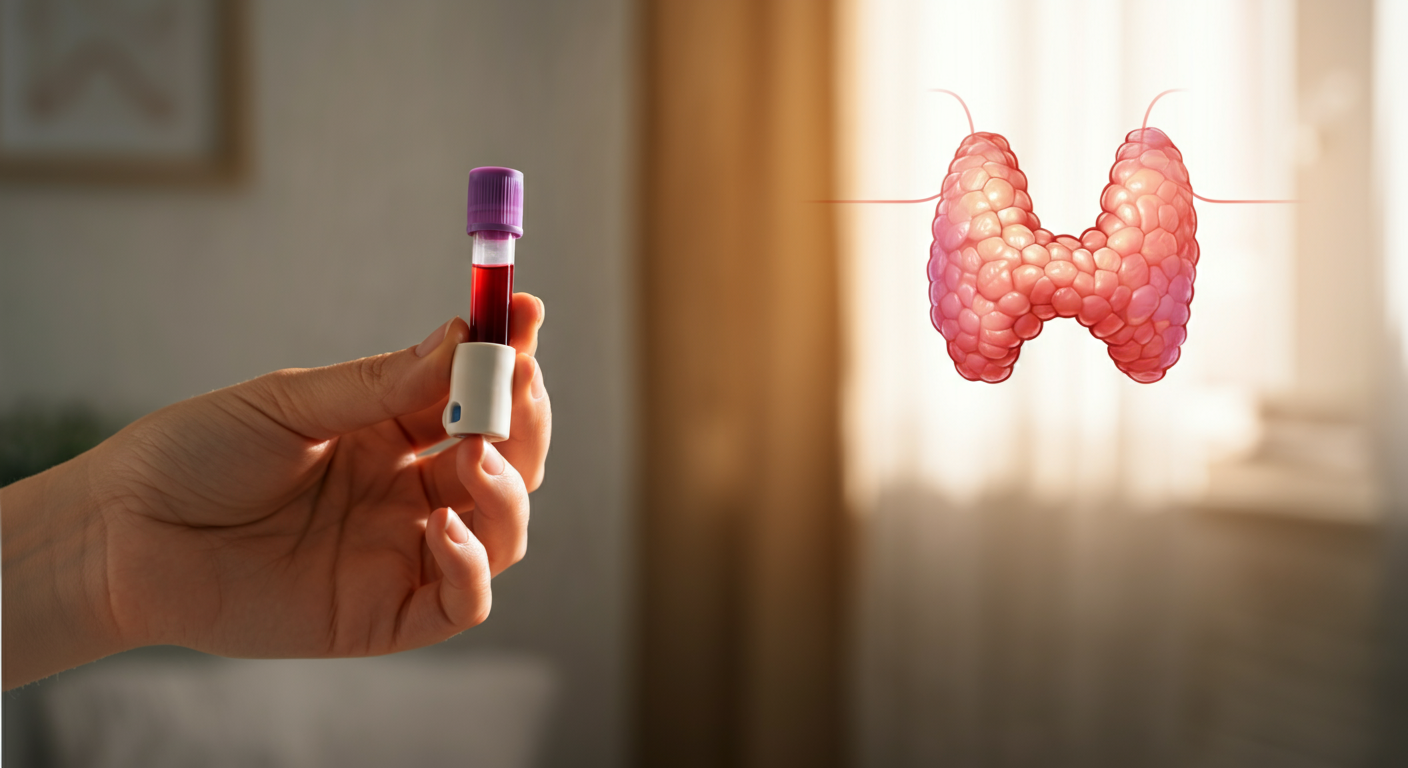
Fatigue that no amount of sleep can fix. Unexplained weight gain despite eating well. Hair falling out in clumps. Feeling inexplicably anxious or deeply depressed. For millions of women across India, these symptoms are dismissed as stress, ageing, or simply "part of being a woman." But in many cases, the real culprit is hiding in plain sight — the thyroid gland.
The good news? A thyroid blood test can uncover what is really going on, and thanks to modern home collection services like Zelnoo, you no longer need to navigate crowded diagnostic labs or take time off work to get tested. A thyroid blood test: how a simple home collection can reveal hidden thyroid problems in women is no longer a luxury — it is an accessible, essential health check that every woman should consider.
In this article, we explore the thyroid gland, how it affects women differently, what thyroid blood tests measure, and why getting tested at home could be the single most important health decision you make this year.
Understanding the Thyroid Gland and Why Women Are at Greater Risk
The thyroid is a small, butterfly-shaped gland located at the base of your neck. Despite its modest size, it is one of the most powerful glands in the human body. It produces hormones — primarily thyroxine (T4) and triiodothyronine (T3) — that regulate virtually every metabolic process, from heart rate and body temperature to digestion, mood, and fertility.
When the thyroid produces too little hormone, the condition is called hypothyroidism. When it produces too much, it is called hyperthyroidism. Both conditions can dramatically disrupt daily life.
Why Women Are Disproportionately Affected
Statistics paint a sobering picture. According to the Indian Journal of Endocrinology and Metabolism, thyroid disorders affect approximately 42 million people in India, with women being 5 to 8 times more likely to develop thyroid disease than men. Globally, the American Thyroid Association estimates that 1 in 8 women will develop a thyroid disorder during her lifetime.
Several factors explain this disparity:
- Hormonal fluctuations during menstruation, pregnancy, postpartum, and menopause can trigger thyroid dysfunction
- Autoimmune conditions like Hashimoto's thyroiditis (the leading cause of hypothyroidism) disproportionately affect women
- Genetic predisposition — if your mother or sister has thyroid disease, your risk increases significantly
- Iodine deficiency, which remains a concern in certain regions of India
- Stress and cortisol levels, which directly interfere with thyroid hormone production
Perhaps most alarmingly, research suggests that up to 60% of people with thyroid disease are unaware of their condition. Many symptoms — fatigue, mood changes, weight fluctuation — are easily attributed to lifestyle or mental health issues, delaying diagnosis by months or even years.
What Does a Thyroid Blood Test Actually Measure?
A comprehensive thyroid blood test evaluates several key markers that together give a full picture of thyroid health. Understanding what each marker means helps you ask the right questions and interpret your results confidently.
TSH (Thyroid-Stimulating Hormone)
TSH is produced by the pituitary gland and signals the thyroid to produce hormones. It is usually the first and most important marker tested.
- High TSH suggests the thyroid is underactive (hypothyroidism) — the pituitary is working overtime to stimulate a sluggish thyroid
- Low TSH suggests the thyroid is overactive (hyperthyroidism) — excess thyroid hormone suppresses pituitary signalling
- Normal range: approximately 0.4–4.0 mIU/L (though optimal ranges are debated among endocrinologists)
Free T3 and Free T4
While TSH gives an overview, Free T3 (FT3) and Free T4 (FT4) measure the actual hormones circulating in your bloodstream.
- FT4 is the inactive form of thyroid hormone; the body converts it into the active FT3
- Low levels of either suggest hypothyroidism; elevated levels point to hyperthyroidism
- Some women have normal TSH but abnormal FT3/FT4 — this is why a panel test is more comprehensive than TSH alone
Anti-TPO Antibodies (Thyroid Peroxidase Antibodies)
Anti-TPO antibodies are markers of autoimmune thyroid disease. Elevated levels indicate the immune system is attacking the thyroid — a hallmark of Hashimoto's thyroiditis or Graves' disease.
Testing for Anti-TPO is especially important for:
- Women planning pregnancy
- Those with a family history of autoimmune disease
- Women experiencing unexplained miscarriages
Anti-Thyroglobulin Antibodies (Anti-TG)
Another autoimmune marker, Anti-TG testing complements Anti-TPO in identifying autoimmune thyroid conditions, especially when Anti-TPO results are borderline.
Why a Full Panel Matters
Many doctors order only TSH during routine check-ups. While this is a useful starting point, it can miss subclinical thyroid dysfunction, autoimmune thyroiditis, and conversion problems. A full thyroid panel — TSH, FT3, FT4, Anti-TPO, and Anti-TG — provides a far more complete picture of your thyroid health.
Hidden Symptoms in Women That a Thyroid Blood Test Can Explain
Thyroid disease is often called the "great imitator" because its symptoms mimic so many other conditions. Here are some of the most commonly overlooked signs that warrant thyroid testing:
Signs of Hypothyroidism (Underactive Thyroid)
- Persistent fatigue and brain fog — feeling exhausted even after a full night's sleep
- Unexplained weight gain — particularly around the abdomen, despite no change in diet
- Hair thinning or loss — including loss of the outer third of the eyebrows
- Cold intolerance — feeling cold when others are comfortable
- Constipation and bloating
- Dry skin and brittle nails
- Depression and low mood
- Heavy or irregular menstrual periods
- Difficulty conceiving or recurrent miscarriage
- Puffy face, especially around the eyes
Signs of Hyperthyroidism (Overactive Thyroid)
- Unexplained weight loss despite increased appetite
- Heart palpitations or racing heartbeat
- Anxiety, irritability, and nervousness
- Excessive sweating and heat intolerance
- Trembling hands
- Difficulty sleeping
- Frequent bowel movements
- Bulging eyes (in Graves' disease)
- Light or absent menstrual periods
If you recognise several of these symptoms, a thyroid blood test is not just advisable — it is essential.
Thyroid Health Across Life Stages
Women face unique thyroid risks at different life stages:
- Pregnancy: Untreated hypothyroidism during pregnancy increases the risk of miscarriage, preterm birth, and developmental issues in the baby. The American Thyroid Association recommends thyroid screening for all pregnant women.
- Postpartum: Postpartum thyroiditis affects up to 10% of women after childbirth, often presenting as temporary hyperthyroidism followed by hypothyroidism.
- Perimenopause and menopause: Overlapping symptoms (fatigue, weight changes, mood swings) can mask thyroid dysfunction, making testing crucial during this transition.
The Benefits of Home Collection for Thyroid Blood Testing
Despite how important thyroid testing is, many women delay or avoid it due to practical barriers — long queues at labs, time constraints, needle anxiety, or simply not knowing where to start. This is where home blood collection services are transforming women's healthcare.
Convenience Without Compromise
With Zelnoo's home collection service, a trained phlebotomist comes to your doorstep at a time that suits you. There is no need to fast for a standard thyroid panel (though your doctor may advise specific timing), and the entire sample collection process takes less than 10 minutes.
Early Morning Testing — The Optimal Window
Research suggests that TSH levels are highest in the early morning and decline throughout the day. Home collection allows you to schedule your test at the ideal time without having to rush to a lab before it opens. This can improve the accuracy and consistency of your results, especially if you are monitoring thyroid function over time.
Privacy and Comfort
For women dealing with sensitive symptoms like fertility challenges, mood disorders, or significant weight changes, the comfort of being tested at home removes the social anxiety that can come with clinic visits. You can relax in your own environment while your health is in expert hands.
Fast, Digital Results
Zelnoo delivers certified, easy-to-read digital reports directly to your phone or email, often within 24 hours. You can share these instantly with your doctor for timely consultation — no waiting, no lost paper reports.
Practical Tips for Getting the Most Accurate Thyroid Test Results
- Test in the morning: TSH values are most accurately captured between 7 AM and 10 AM
- Be consistent: If monitoring thyroid levels over time, try to test at the same time of day using the same laboratory
- Inform your collector of medications: Biotin supplements, thyroid medications, and certain other drugs can affect results
- Avoid biotin 48 hours before testing: High-dose biotin can interfere with TSH and thyroid hormone assays
- Stay hydrated: Good hydration makes blood collection easier and more comfortable
- Share your full symptom history with your doctor alongside your results for the most accurate interpretation
Who Should Get a Thyroid Blood Test — and How Often?
While thyroid testing is recommended for anyone with symptoms, certain women should consider routine screening even without obvious signs of dysfunction.
You Should Get Tested If:
- You are over 35 years old (risk increases with age)
- You have a family history of thyroid disease or autoimmune conditions
- You are pregnant or planning a pregnancy
- You have experienced unexplained miscarriage
- You have been diagnosed with type 1 diabetes, rheumatoid arthritis, or lupus
- You have had previous thyroid surgery or radiation to the neck
- You are experiencing symptoms from either list above
- You are perimenopausal or menopausal and unsure if symptoms are hormonal or thyroid-related
How Often Should Women Be Tested?
- Symptomatic women: Immediately upon symptom onset, then as directed by your doctor
- Women on thyroid medication: Every 6–12 months, or as advised, to ensure dosage is correctly calibrated
- Pregnant women: At least once per trimester
- Women over 35 with risk factors: Every 12–24 months as a preventive screen
- Women with autoimmune markers (Anti-TPO positive) but normal function: Annually, as they are at higher risk of progressing to overt thyroid disease
Conclusion: Don't Let a Hidden Thyroid Problem Define Your Health
Your thyroid health is not something to guess about or wait on. The symptoms of thyroid dysfunction are real, disruptive, and — critically — treatable once identified. Whether you are struggling with unexplained fatigue, battling weight changes, facing fertility challenges, or simply want peace of mind, a thyroid blood test is one of the most powerful steps you can take for your wellbeing.
Understanding how a thyroid blood test: how a simple home collection can reveal hidden thyroid problems in women works empowers you to take control of your health narrative. You do not need to accept feeling unwell as your normal. Answers — and solutions — are within reach.
Book Your Thyroid Blood Test with Zelnoo Today
At Zelnoo, we believe that quality diagnostic care should be accessible to every woman, in the comfort of her own home. Our certified phlebotomists come to you, our NABL-accredited laboratory processes your samples with precision, and our digital reports reach you quickly so you can act fast.
Here is how to get started:
- Visit the Zelnoo website or download the Zelnoo app
- Select the Thyroid Profile (Basic or Comprehensive) test package
- Choose your preferred date, time, and location for sample collection
- Receive your results digitally — and consult your doctor with confidence
Do not let a hidden thyroid problem steal your energy, your confidence, or your joy. Book your Zelnoo thyroid blood test today and take the first step toward feeling like yourself again.
Disclaimer: This article is for informational purposes only and does not constitute medical advice. Always consult a qualified healthcare professional for diagnosis and treatment.